Japan's Nuclear Energy Program: Powering a Nation's Growth
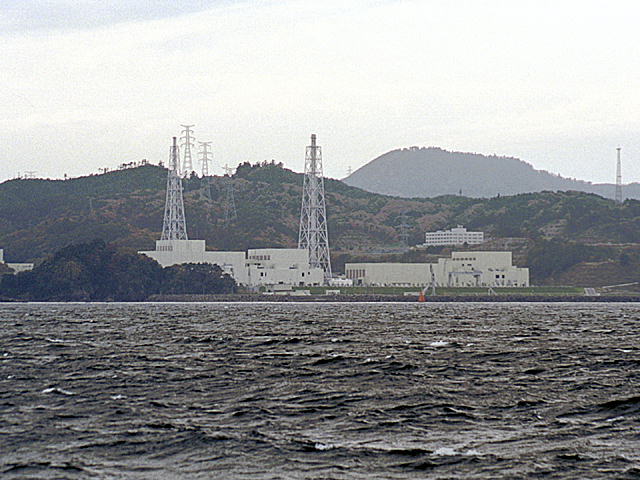
Japan's nuclear energy program has a rich history dating back to the 1950s, when the country started exploring nuclear power as a means to meet its growing energy demands.
Japan embraced nuclear energy as a way to reduce its reliance on imported fossil fuels and to support its rapid economic growth.
The Fukushima Daiichi nuclear disaster
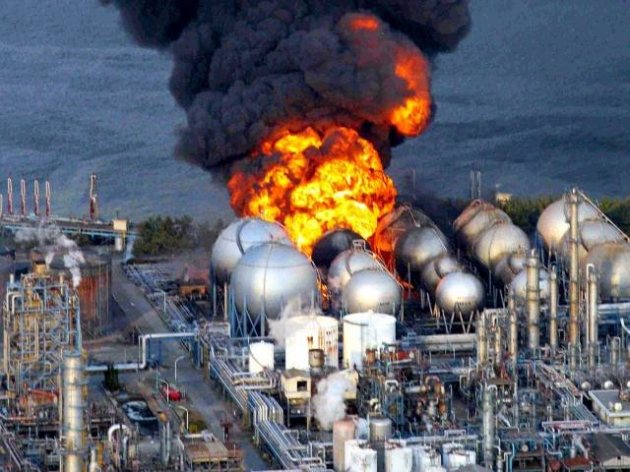
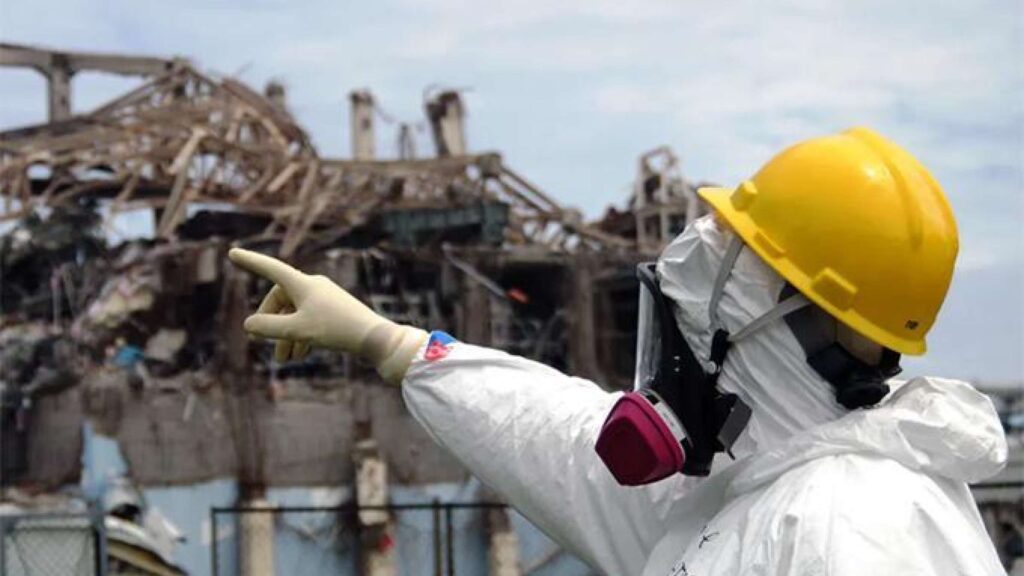
The Fukushima Daiichi nuclear disaster, which occurred in 2011, was a pivotal moment in Japan's nuclear energy program, leading to widespread concerns about safety and significant changes in policies and regulations.
Triggered by a massive earthquake and tsunami, the disaster resulted in meltdowns and radioactive releases, leading to the evacuation of nearby residents, long-term environmental and health impacts, and a reevaluation of nuclear energy's role in Japan
Safety measures and regulatory changes post-Fukushima
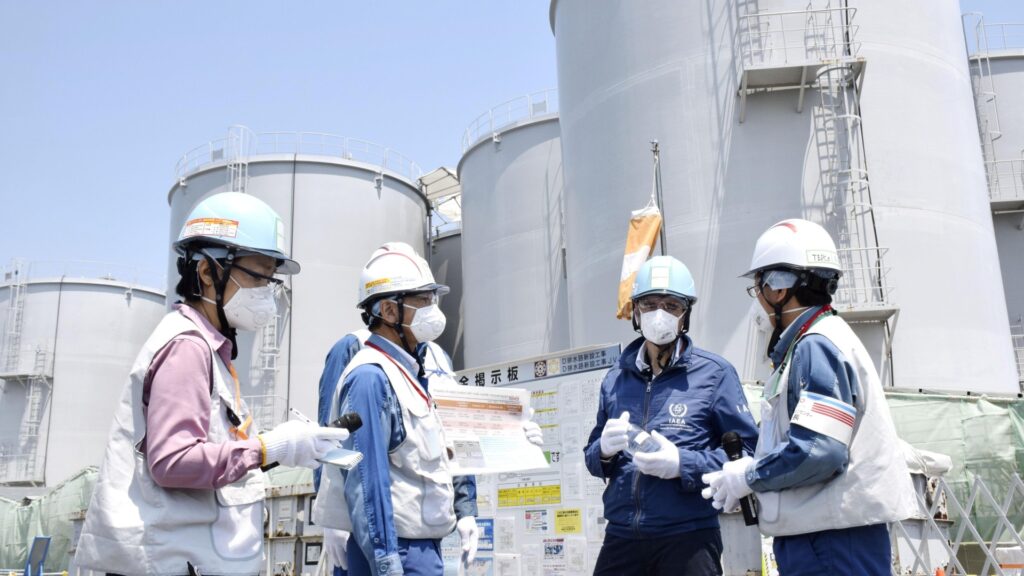
Following the Fukushima disaster, Japan implemented comprehensive safety measures and regulatory reforms to prevent similar incidents and enhance the overall safety of its nuclear facilities.
The government introduced stricter safety standards, increased inspections, upgraded infrastructure, and improved emergency response capabilities to ensure the highest level of nuclear safety.
The role of nuclear energy in Japan's energy mix
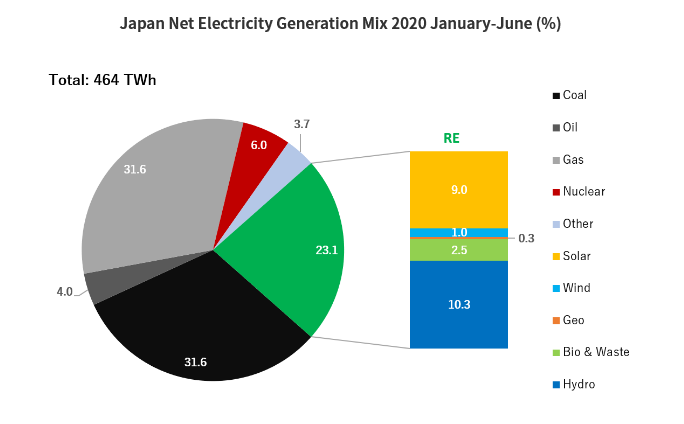
Nuclear energy has historically played a significant role in Japan's energy mix, providing a substantial portion of its electricity generation before the Fukushima accident.
Nuclear power plants accounted for approximately 30% of Japan's electricity production, contributing to the country's energy security and carbon emissions reduction goals.
Public opinion and challenges facing the nuclear industry in Japan
The Fukushima disaster deeply impacted public opinion in Japan, leading to a significant divide among citizens regarding the future of nuclear energy in the country.
The Japanese public expresses concerns about the safety, long-term environmental impact, and potential for future accidents associated with nuclear power, posing challenges to the recovery and development of the nuclear industry.